By Joy Santos
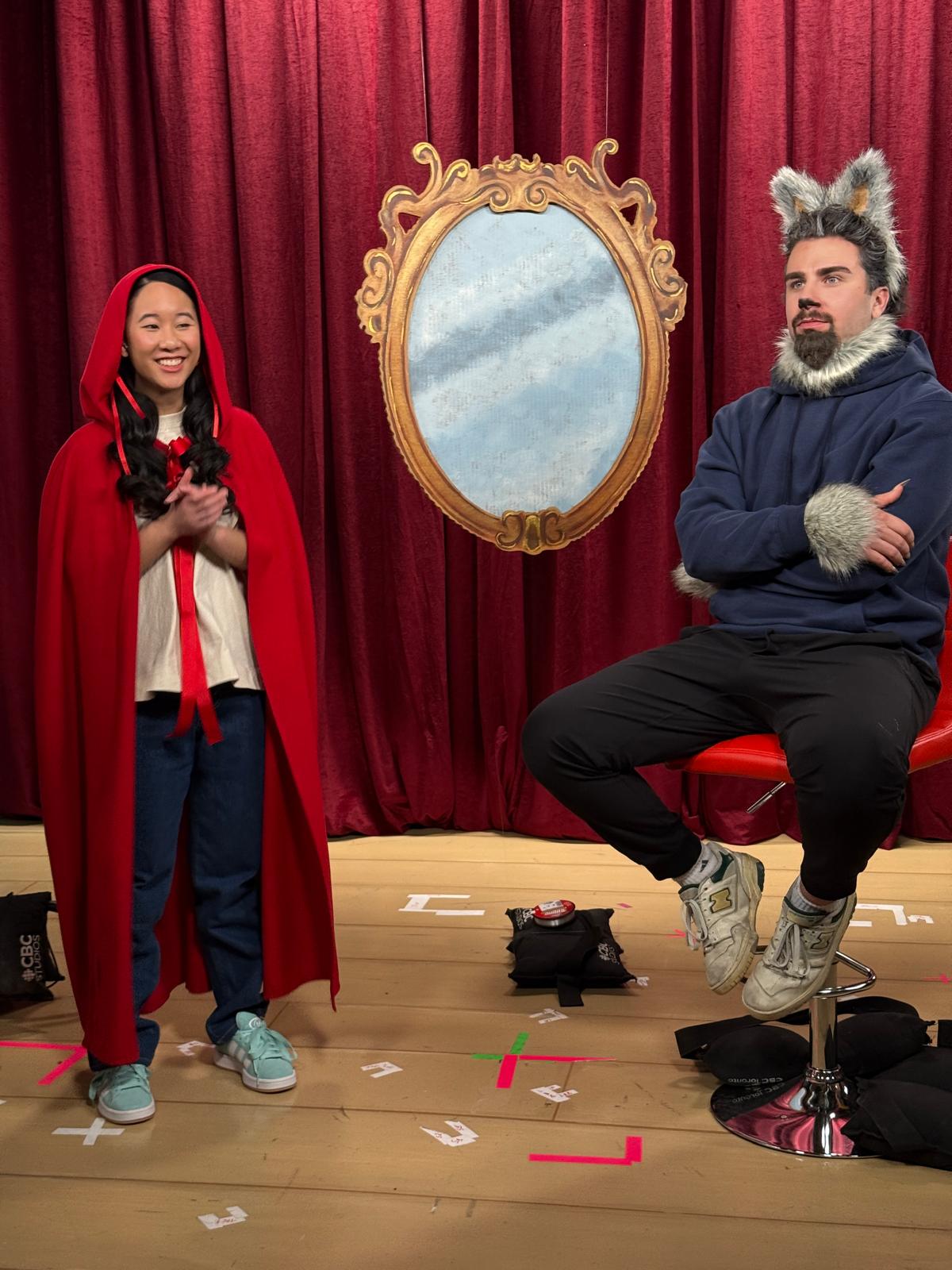
In January of this year, my daughter, Teanna, responded to a casting call from CBC Kids looking for Deaf individuals to tell stories in American Sign Language (ASL). The show is called Teeny Tales, and it aims to re-tell classic fairytales with a Deaf twist. The project was spearheaded by Deaf leadership. Associate Producer, Sheridan Riggillo, a CODA, teamed up with Deaf artists and crew, such as Director, Alexa Hickox, to create an accessible show for children.
As a parent, I was excited for her involvement in such a project! There were not very many children’s shows on mainstream media that were made for the Deaf community, by Deaf individuals, and involving Deaf talent while Teanna was growing up. Captioning was helpful, having an on-screen ASL Interpreter provided language modeling, but a show with Deaf characters would be next level. I was excited for what learning this new experience would bring her, and for the new people she would meet. I truly hope the existence of shows like this becomes normalized.
Side note, CBC Kids offers various children’s programs with ASL interpreting. We discovered them on the CBC Gem app, and on the CBC Kids YouTube channel.
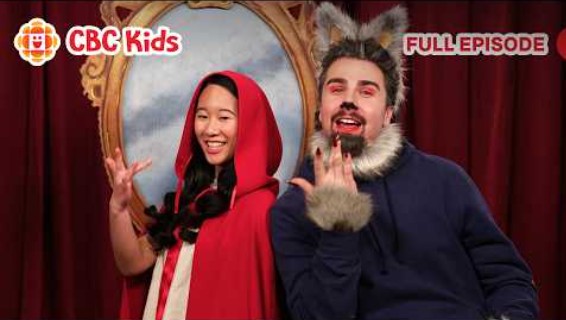
Below, I interviewed Teanna about her experience from auditioning to filming.
How did you hear about the audition, and why did you choose to respond?
I heard about the audition through BC Hands & Voices. My mother is on the board of directors of this organization. She received an email about the audition and forwarded it to me. It was the night before the deadline, and I just went ahead and applied for it. I was really curious about it and thought it would be a great experience/opportunity for me. I had been involved in many ASL Literary Competitions in elementary and high school for things like poetry, prose, and stories. So I thought I should try this out and see if my skills can also be used for acting.
What was the audition process like? How long did it last, and what were you expected to do?
After signing up for the audition, I received a virtual audition invitation within a week and a half. They sent me two scripts via email, and I had to choose which one I would use. I had less than a week to practice the script before my audition date!
Aside from just receiving the script, I did not receive any other instructions about what they expected from me. So I practiced two ways. One was telling the story from the perspective of the character I chose to audition for. The other way was to just memorize the script lines for the character.
On audition day, I had an hour session. I had to audition for two people- the associate producer and director. I introduced myself and asked how they wanted me to perform. They told me to just perform how I felt it should be done. I was so nervous! I was worried I would do it wrong and it would not be their expectation. I chose to tell the story and began performing the script. I even forgot some parts and panicked and asked to start over! After that, they told me I did well – then they asked me to do it in a song version, which was last minute and I was not prepared for that! I tried to clarify what they wanted, and they told me to try my best. I ended up telling the story to a beat.
How long did it take to hear back from someone after you auditioned?
They made their decision and contacted me around three weeks after the audition.
How did you feel when you received the news?
I was at work when I received an email of acceptance to be casted. I was both elated and nervous, feeling the adrenaline rush! My entire body was shaking so much that I immediately messaged my mother and family to share the exciting news.
How about filming? What was that process like?
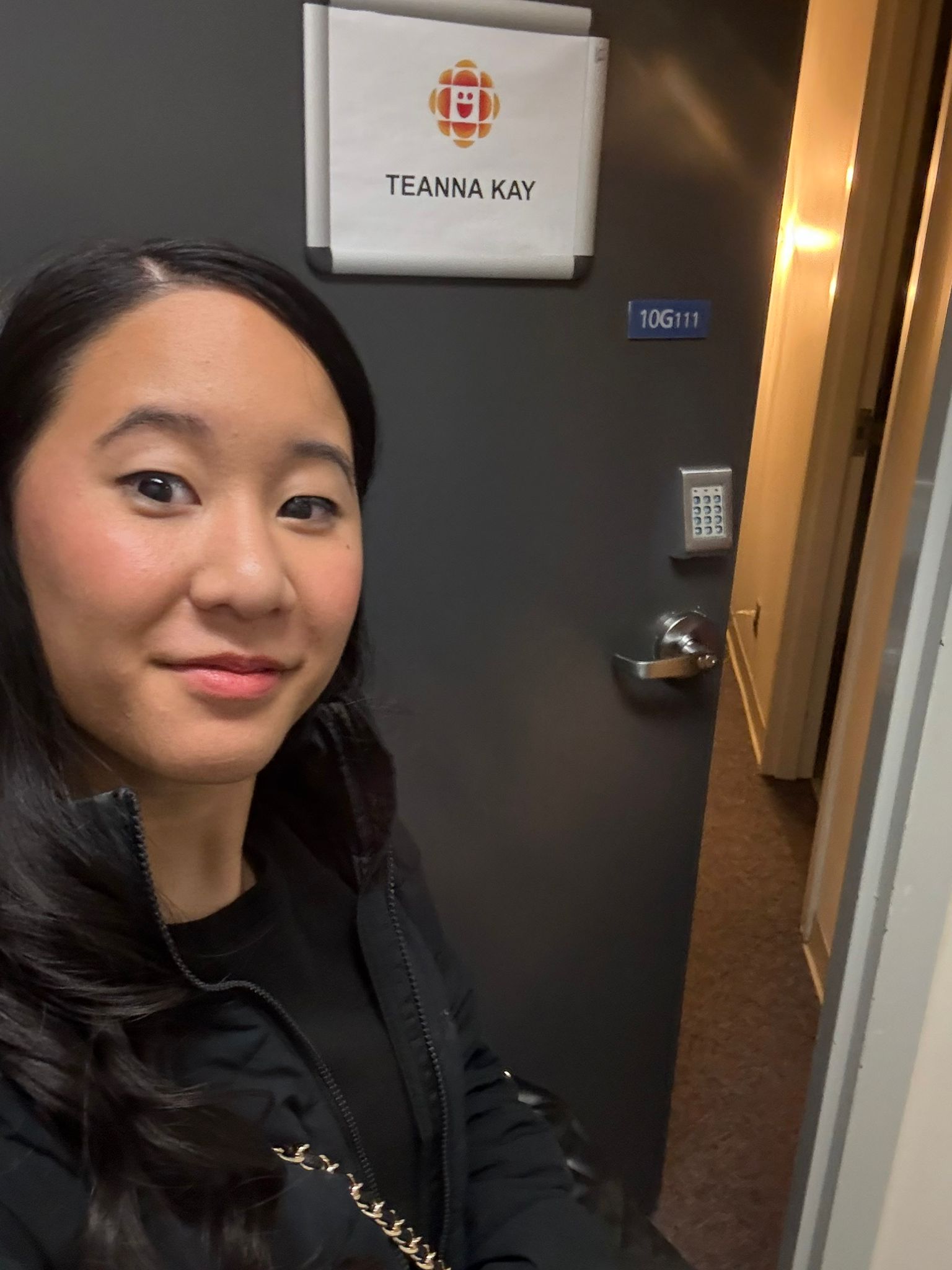
Filming was in the CBC Studio in Toronto, so I needed to travel there. There was one day for rehearsal and costume fitting, which lasted for three hours. The filming day was long. I worked overtime, and the day lasted about 10 hours. Before filming day, I was very nervous because I needed to memorize the lines. I spent several hours practicing that night. I filmed a total of five episodes.
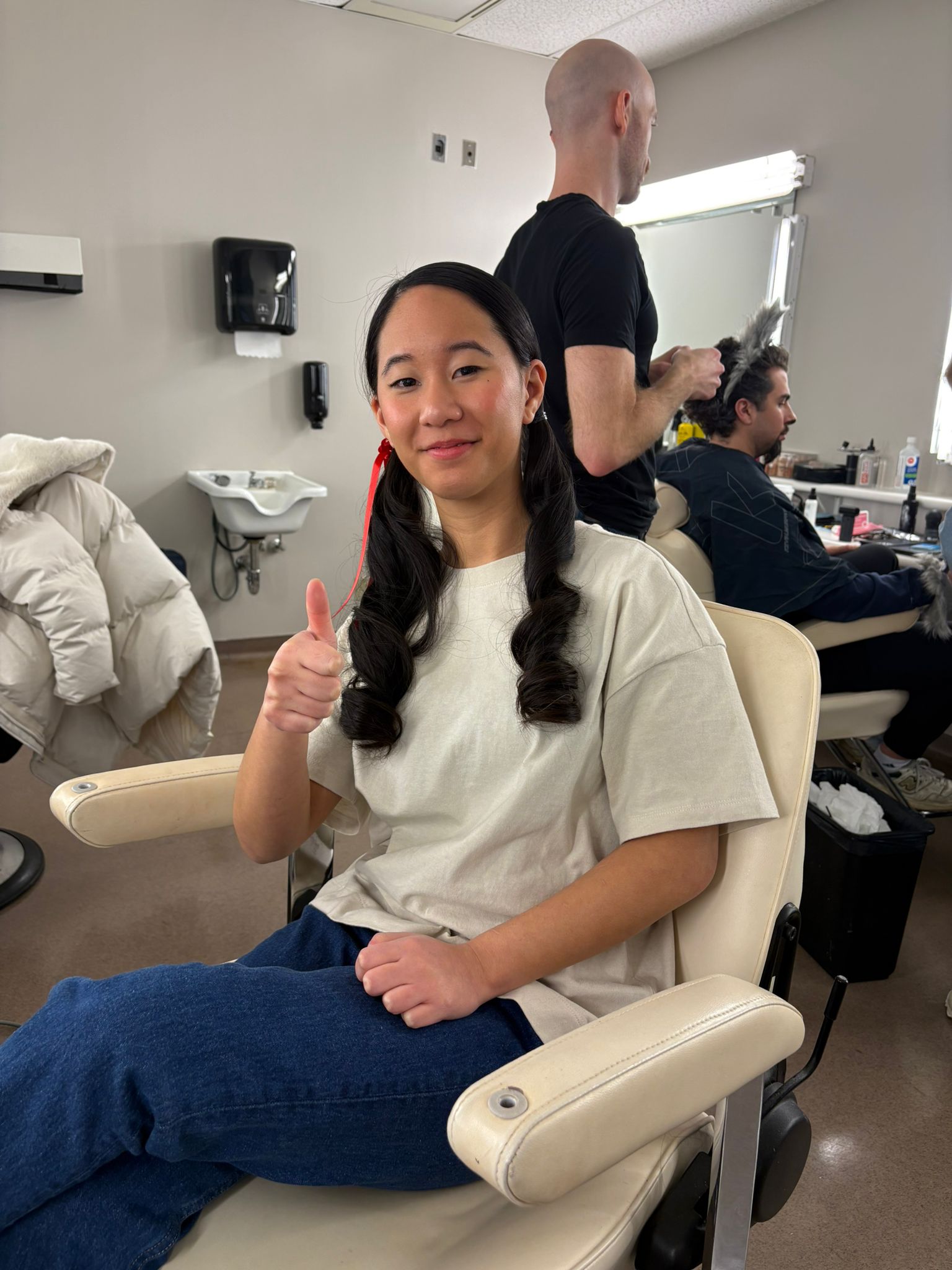
During filming, I felt awkward with the camera. It was hard to “act natural” and pretend like there wasn’t a camera a few feet away. It was a first-time experience for me to be professionally filmed, and I also had to use a stool because I am short, which was quite funny! The other actors were much taller, so I had to somewhat match their height.
What were some challenges that you faced throughout the entire process?
Personally, my challenge was my Sign Language fluidity. Like a lot of Deaf people, I come from a hearing family, so even though I identify as culturally Deaf and am deeply involved in the Deaf community, I feel my signing is not always as clear or fluent as I want it to be. I tend to compare myself to ASL users who come from a generationally Deaf family. That was a challenge for me throughout the process, because I was worried about what my ASL would look like on screen, and whether II would represent the language and culture appropriately.
On the positive side, I practiced constantly and had an amazing ASL coach on set. It was a huge advantage to have someone there to give me direct feedback and help me improve! It helped ensure that my ASL was clear and correct.
Another challenge was remembering my lines. In one episode, “FaceTime,” I had to do a 40-second long visual vernacular monologue in one take. I made mistakes several times and felt so embarrassed and frustrated. I was worried I was wasting everyone’s time. The crew reassured me that this was a normal part of the process, and they offered me breaks so I could recompose myself. At some point, the director noticed my frustration, and offered to try and find an alternative way to perform the piece. I declined because I really wanted to perform the way the script had intended.
When was the series released, and where can we watch it?
The series was released on May 25th, 2026, on the CBC Gem app.
The show aired on the CBC Television Channel from June 1st to 5th, and was also uploaded to a YouTube playlist.
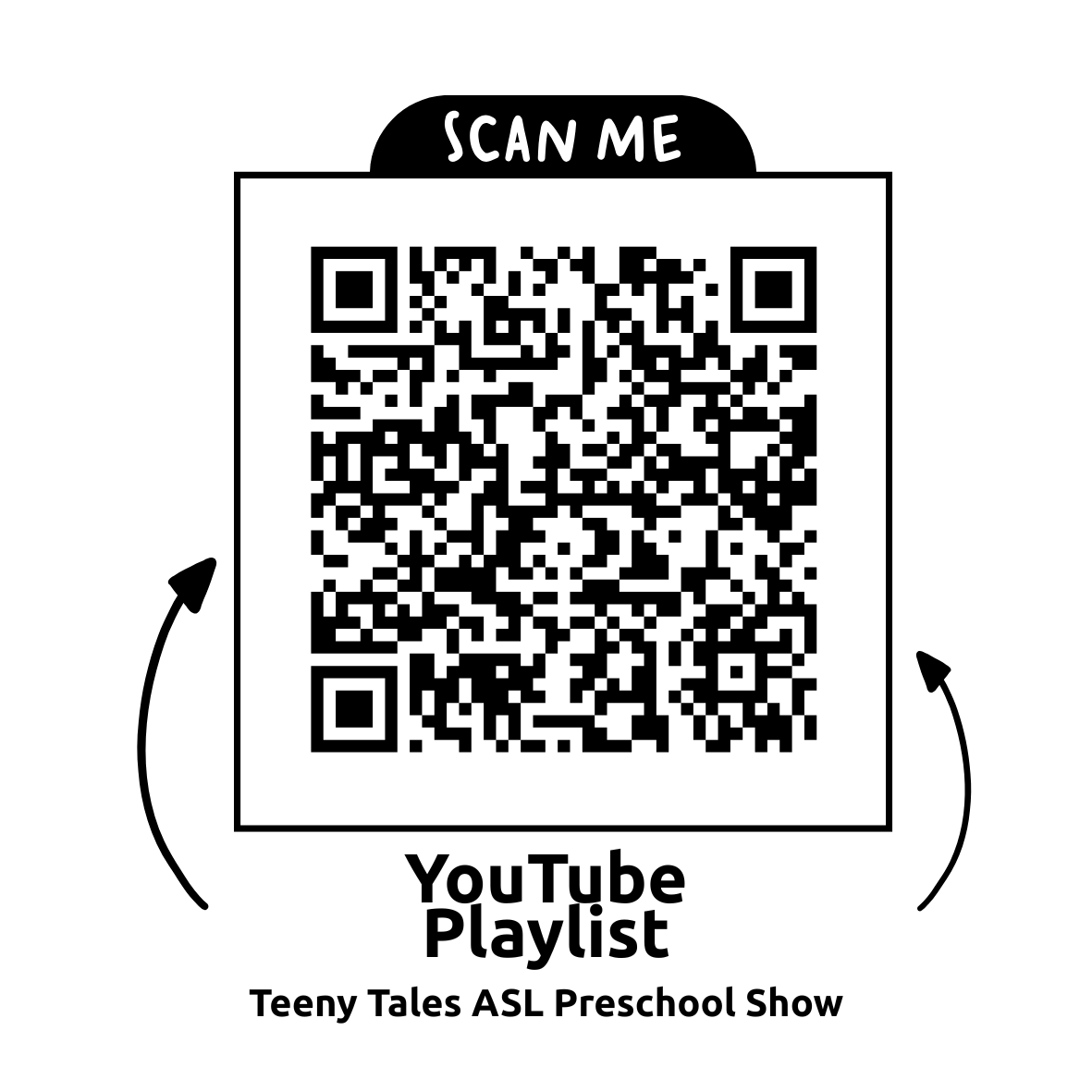
Find all the Teeny Tales Episodes here:
https://www.youtube.com/playlist?list=PLPZ40gM7aDFDUyu_G6Y9988zAUsuFvtqF
What were some valuable takeaways that you had during this experience? Anything you would like to share with parents / families who have DHH children? Advice you would give the younger generation of DHH children and youth?
My biggest takeaway was the importance of learning to get out of my comfort zone. It tested my capability to handle some unfamiliar situations! I am a pretty shy and introverted person, but my mother always exposed me to opportunities that helped build my confidence and comfort level.
To parents, keep exposing your children to as many experiences as you can, both within the Deaf Community and the mainstream world. Encourage your child to try new opportunities, and teach them that failure is an opportunity to learn and improve.
My mom kept me connected to the Deaf community and also prepared me for the mainstream world, by making sure I know how to advocate for my access, and also life skills like safety while traveling. I am forever grateful for that. I feel that because of that upbringing, I am confident in my identity as a Deaf person, and also how to navigate the mainstream world.
To the younger DHH generation, do not let self-doubt stop you. Find DHH role models who inspire you, and never hesitate to ask for guidance. Seeing people like you out there makes it easier to believe in your own dreams. Do not be afraid to try new things, and never stop learning! Achieve that DREAM!
